



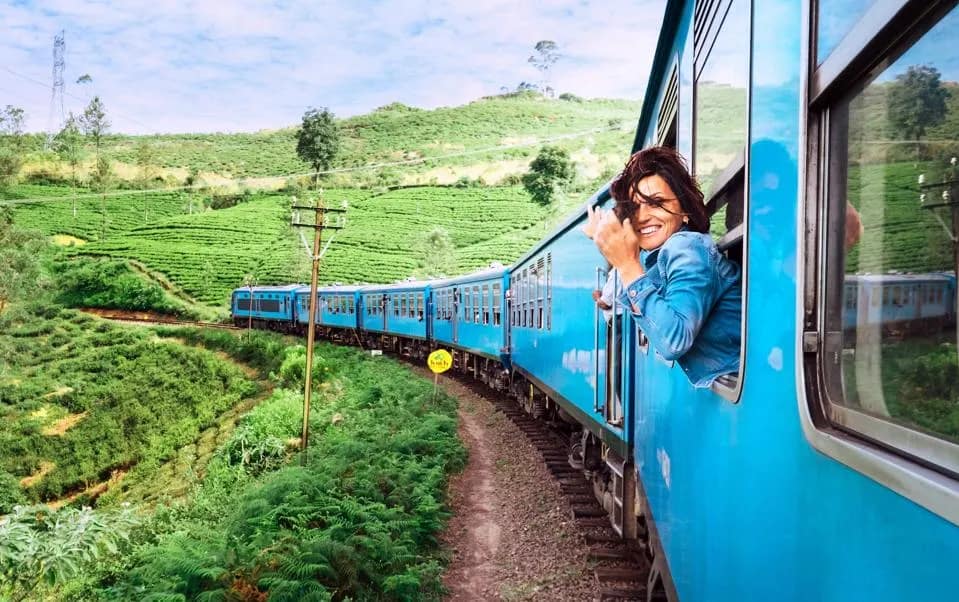
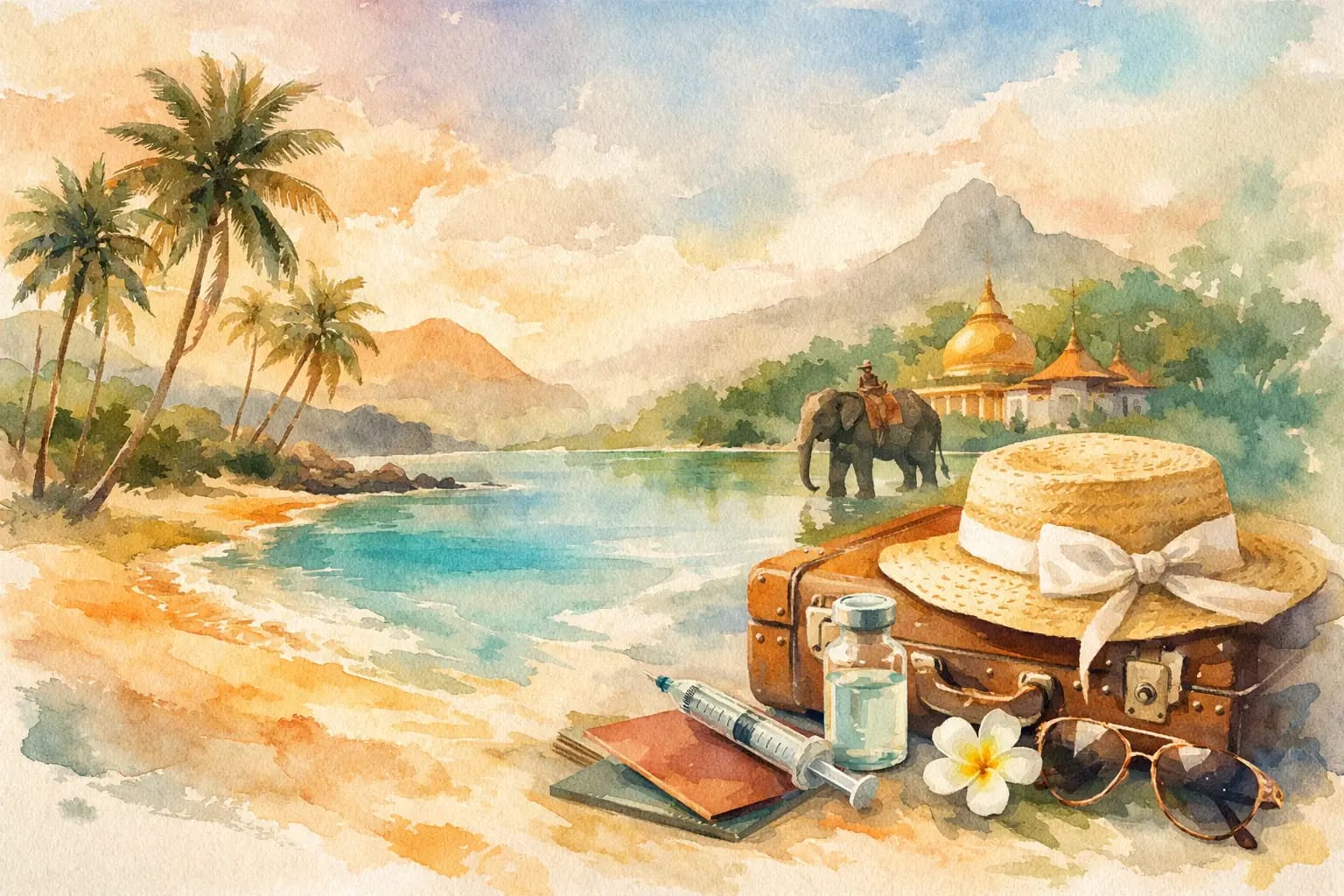
The most memorable Sri Lankan holidays tend to move beautifully between worlds: tea-country mornings, temple towns, elephant country, and a final few unhurried days beside the Indian Ocean. Sri Lanka vaccinations are a small but worthwhile part of preparing for that journey, helping you travel with the same calm confidence you expect from every other detail of a carefully crafted escape.
There is no single vaccination plan that suits every traveller. Your recommended protection depends on your existing immunisations, age, medical history, previous travel, the time of year and the shape of your itinerary. A week divided between Colombo, boutique coastal retreats and premier hotels calls for a different conversation from a longer adventure through rural communities, wildlife reserves and less-visited regions.
Sri Lanka vaccinations: start with a personal travel consultation
For UK travellers, the best first step is to speak with a GP, pharmacist or specialist travel clinic around six to eight weeks before departure. Some vaccines need more than one dose, while others take time to offer their intended protection. If your holiday is approaching sooner, it is still worth arranging an appointment: last-minute advice can be valuable.
Bring a clear outline of your plans. Mention if you are planning private safaris in Yala or Wilpattu, extended stays in the Cultural Triangle, visits to family, long periods in rural areas, or active experiences such as cycling and hiking. These details allow a clinician to tailor advice rather than offer a one-size-fits-all list.
Recommendations and entry requirements can change, particularly after shifts in international health guidance. Your travel health professional will be able to check the latest advice for your circumstances, including considerations for pregnancy, allergies, chronic conditions and travelling with young children.
Which vaccinations may be recommended?
Most conversations begin with routine immunisations. Your clinician may check that you are up to date with protection commonly offered in the UK, such as tetanus, diphtheria and polio, as well as measles, mumps and rubella. This is not merely a travel formality. Keeping routine vaccines current is sensible protection wherever your next holiday takes you.
Hepatitis A is often discussed for travel to Sri Lanka because it can be transmitted through contaminated food or water. Even when you are staying in refined hotels and dining in excellent restaurants, a travel specialist may recommend it as an added layer of reassurance. Premium travel lowers certain exposures, but it cannot eliminate every variable.
Typhoid may also be advised, especially for travellers spending time outside the main resort areas, sampling extensively from informal food stalls, or taking a longer, more independent route. The decision is personal: a tightly managed, hotel-led itinerary may present a different level of exposure from a months-long journey with frequent rural travel.
Hepatitis B can be relevant for longer stays, repeat visits, medical treatment abroad, tattooing or piercing, and activities where injury is more likely. Some travellers choose it for broader peace of mind, but it is best considered with a clinician, particularly as the schedule can involve multiple doses.
Rabies vaccination is usually not a standard requirement for every visitor, yet it deserves a thoughtful discussion for those spending prolonged periods in remote locations, running or cycling in the countryside, working with animals, or travelling with children who may approach dogs or monkeys without hesitation. Pre-exposure vaccination does not remove the need for urgent care after an animal bite or scratch, but it can simplify treatment. The practical rule is clear: admire Sri Lanka’s wildlife from a respectful distance, and never feed or handle animals.
Japanese encephalitis may be raised for longer trips with substantial rural or agricultural exposure, particularly where evenings are spent outdoors. It is less commonly relevant to a short, hotel-based holiday, but your clinician will assess the season and itinerary.
Yellow fever rules depend on where you have been
Sri Lanka is not generally a yellow fever destination in itself. However, travellers arriving from, or sometimes transiting for a significant period through, a country with yellow fever transmission may need an internationally recognised vaccination certificate. The exact rules, transit thresholds and medical exemptions should be checked before travel, rather than assumed from a previous trip.
This is especially relevant for multi-stop holidays. A Sri Lanka and Maldives escape, for example, may be straightforward when travelling from the UK, while an itinerary that begins elsewhere in Africa or South America can require additional preparation. Share every recent destination and transit point with your travel clinic.
Malaria, dengue and mosquito awareness
Sri Lanka has been recognised as malaria-free, so malaria tablets are not routinely recommended for most visitors. That welcome news should not lead to relaxed mosquito precautions, however. Dengue and other mosquito-borne illnesses remain a consideration in Sri Lanka, including in urban and coastal settings.
Choose a repellent suitable for tropical travel and apply it as directed, particularly around dawn and dusk. Light, loose clothing can be useful for early-morning wildlife drives and garden dinners, while air-conditioned rooms, screens and bed nets provide added comfort where available. For a luxury itinerary, these small rituals need not interrupt the experience: they simply make sunset cocktails, jungle lodges and beach evenings easier to enjoy.
If you develop a fever during your trip or after returning home, seek medical advice promptly and explain where you have travelled. Do not self-diagnose or rely on a previous illness as a guide.
Good health habits belong in the itinerary
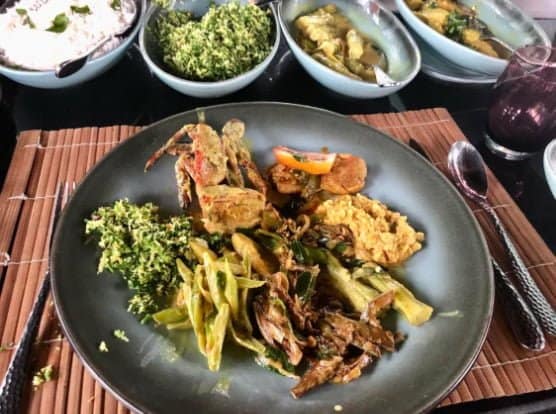
Vaccinations are one part of travel wellbeing, not the whole plan. Sri Lanka’s exceptional cuisine is a highlight of any stay, from fragrant curries to fresh seafood and tropical fruit. In well-regarded hotels and restaurants, food preparation is generally carefully managed, but sensible choices still matter.
Drink sealed bottled water or water provided by your hotel when you are unsure of the source, and take extra care with ice, salads and raw foods in more informal settings. Keep hand sanitiser in your day bag for temple visits, markets and long scenic drives. Sun protection, hydration and a measured pace are equally valuable, especially when combining cultural touring with warm coastal days.
A small personal medical kit can make a great deal of difference. Pack regular prescriptions in their original packaging, bring enough for the full holiday plus a little extra, and carry a copy of any prescription or doctor’s letter where appropriate. Include the basics you know you use, such as pain relief, plasters, rehydration salts and remedies recommended by your pharmacist. Check rules before carrying medication that may be controlled internationally.
Planning for families, honeymoons and slower stays
Families should arrange travel health advice early, as children’s vaccine schedules and suitable repellents differ by age. Parents will also appreciate discussing food and water precautions before departure, rather than trying to make decisions in the middle of a busy day of sightseeing.
For honeymooners and couples enjoying a boutique retreat, the aim is not to turn a romantic holiday into a clinical checklist. It is to settle the practicalities beforehand, so your attention stays where it belongs: a private dinner beneath the palms, a restorative spa ritual, or the quiet thrill of seeing a leopard at first light.
Travellers with complex health needs should consider the quality and location of medical facilities along their route, as well as comprehensive insurance that includes medical treatment and repatriation. A bespoke itinerary offers an advantage here. Thoughtful pacing, trusted drivers, carefully selected hotels and 24/7 support can make a multi-region journey feel composed rather than demanding.
When Lush Sri Lankan Holidays crafts a personalised route, your travel preferences shape the experience. Your health provider should shape the medical advice. Bringing those two strands together before you fly leaves more room for the remarkable moments Sri Lanka does so well: lingering over Ceylon tea in the hills, listening to waves after dark, and arriving home with a holiday that felt entirely your own.