



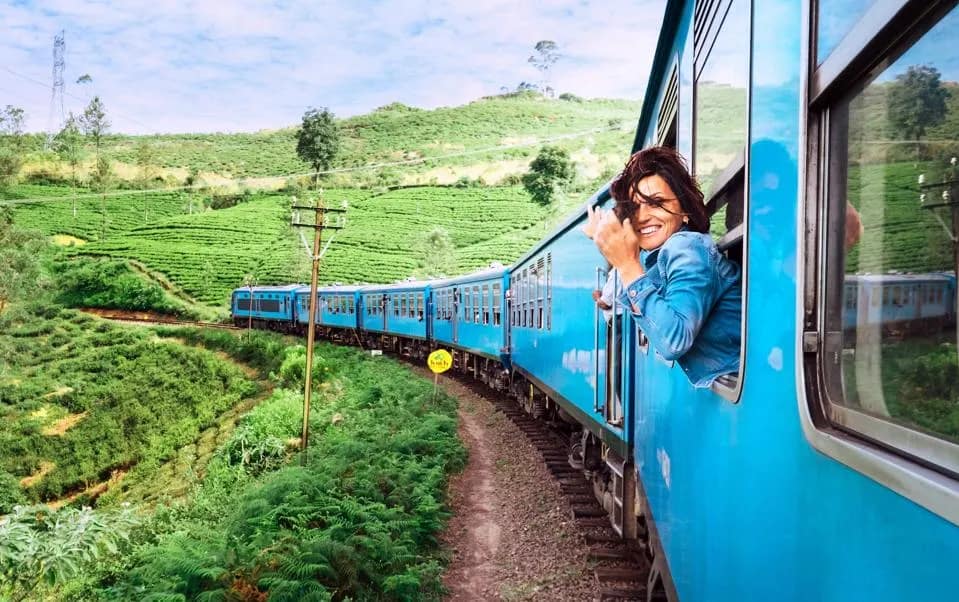
The first view of Sigiriya rising above the jungle, tea-covered hills slipping past your train window, a candlelit dinner beside the Indian Ocean – Sri Lanka is made for a richly varied holiday. But before the dreaming becomes a departure date, it is sensible to ask: is Sri Lanka safe? For most visitors, the answer is yes, particularly when the journey is well planned, transport is arranged thoughtfully and local guidance is close at hand.
Sri Lanka is a warm, hospitable destination with an established tourism industry and an exceptionally welcoming culture. As with any long-haul holiday, safety is not simply about one headline or one statistic. It comes down to where you stay, how you move between regions, the season in which you travel and the care taken around everyday decisions. For couples, families, solo travellers and honeymooners seeking a more considered escape, a curated itinerary removes many of the variables that can make independent travel feel uncertain.
Is Sri Lanka Safe for British Travellers?
Sri Lanka is widely enjoyed by British travellers, including those visiting for the first time in Asia. The principal visitor areas – Colombo, Galle, Kandy, the Cultural Triangle, the tea country and the south and east coasts – are accustomed to international guests. Quality hotels, experienced guides and reputable drivers are familiar with the expectations of long-haul travellers and offer a reassuring level of care.
That said, no destination should be treated as risk-free. Petty theft can occur in busy places, including markets, railway stations and popular beaches. Keep passports, cards and larger sums of cash secure, do not leave phones unattended at a café table, and use the hotel safe where available. Expensive jewellery is best reserved for private dinners rather than crowded sightseeing stops.
Sri Lanka has experienced political and economic uncertainty in recent years, and peaceful demonstrations can occasionally take place, most often in Colombo. Visitors should avoid gatherings, remain flexible if local circumstances affect a route, and check the latest Foreign, Commonwealth & Development Office travel advice before booking and again shortly before departure. Conditions can change, so current advice should always take priority over general travel guidance.
For many guests, the greater practical consideration is not crime but logistics. Sri Lanka’s distances can appear modest on a map, yet winding hill-country roads, traffic around towns and seasonal weather can make journeys longer than expected. A private chauffeur-guide, realistic travel times and carefully chosen overnight stops turn this into part of the pleasure rather than a source of strain.
The Safety Details That Shape a Relaxed Holiday
Road travel deserves the most attention
Road standards vary, traffic can be unpredictable and local driving styles may feel very different from those in the UK. Self-driving is rarely the most restful choice for a luxury itinerary. Travelling with a professional, licensed driver means you can enjoy the changing scenery without navigating unfamiliar road conditions, finding parking or making decisions after a long flight.
It also allows for better pacing. Rather than attempting to move from the Cultural Triangle to the coast in one ambitious day, a bespoke plan can build in a tranquil night in Kandy or the hill country. This creates time for a spa treatment, a gentle garden walk or an unhurried afternoon tea, while keeping each transfer comfortable.
Seat belts should be worn whenever they are provided, including in the rear of a vehicle. If travelling with young children, discuss suitable child seating well in advance, as availability can vary. Avoid travelling on a motorbike or scooter unless you are experienced, properly licensed and fully insured – they are a frequent source of serious visitor injuries across Southeast Asia.
Beach conditions change with the season
Sri Lanka’s coastline is glorious, but it is not uniformly calm. Strong currents and rough seas can occur, particularly during monsoon periods, and lifeguard coverage is not consistent along every beach. Swim at established hotels or well-known beaches, heed red flags and local advice, and never assume a beautiful, empty stretch of water is safe for a casual dip.
The island’s two monsoon systems shape where to stay and when. Broadly, the south-west coast is most appealing during the UK winter months, while the east coast tends to shine from around late spring through early autumn. There are exceptions, and weather is never guaranteed, but choosing the right coast for your dates is one of the simplest ways to create a smoother holiday.
Private boat trips, whale watching and snorkelling excursions should be booked through reputable operators with appropriate safety equipment. The best experiences are not defined by getting closest to wildlife or pushing out in poor weather. A responsible captain will put sea conditions first.
Wildlife is extraordinary – and still wild
A leopard moving through Yala at dawn or an elephant crossing a quiet track near Minneriya can become the moment a holiday is remembered by. It is also essential to give animals space. Follow your naturalist’s instructions, remain in the vehicle during safari drives unless expressly told otherwise, and do not feed monkeys, dogs or other animals around temples and hotels.
In rural areas, elephant movement can affect roads after dark. Your driver will know where extra caution is needed. Within national parks, a patient, respectful approach is both safer and more rewarding than chasing sightings. Choose conservation-minded experiences, particularly where elephants and marine wildlife are involved.
Health, food and the tropical climate
Most guests stay well with straightforward precautions. Comprehensive travel insurance is essential, including cover for medical treatment and any activities on your itinerary. Bring sufficient prescription medication in its original packaging, along with a copy of the prescription, and speak with a healthcare professional about recommended vaccinations before travelling.
The heat can surprise even seasoned travellers. Drink bottled or properly filtered water, use high-factor sun protection, wear a hat during temple visits and schedule demanding walks for the cooler hours of early morning. Mosquito repellent is worthwhile, especially near water and at dusk. In a good hotel, food hygiene standards are typically high; when eating independently, opt for freshly cooked dishes from busy, reputable restaurants.
Respectful clothing is also practical as well as courteous. Temples require shoulders and knees to be covered, and footwear must be removed at many sacred sites. Carrying a light shawl or linen layer makes these transitions effortless while keeping you comfortable in air-conditioned vehicles and warm sunshine alike.
Safe Travel Feels Different When Someone Is Looking Ahead
For independent travellers, small questions can accumulate: Is this driver reliable? Is a late arrival at the hotel straightforward? Is this beach suitable for children today? Is there time to stop for lunch between Kandy and Hatton? A high-touch holiday design answers these questions before they interrupt the experience.
A trusted local team can pair you with accommodation in locations that make sense, arrange vetted private transport, reserve guides who understand your interests and provide support if plans need to change. This is particularly valuable for a multi-centre journey, where a safari lodge, heritage villa, tea-estate bungalow and beach retreat each require different arrival arrangements.
It is not about removing spontaneity. The finest Sri Lankan holidays leave room for an unexpected roadside king coconut, an invitation to watch a cricket match or a quiet extra hour by the pool. The difference is that the foundations are secure: arrivals are met, transfers are considered, and someone familiar with the island is available when needed.
A Few Sensible Habits on Arrival
Use hotel-arranged or pre-booked airport transfers rather than accepting unsolicited offers at the airport. Keep a digital and paper copy of important documents, and share your broad itinerary with someone at home. When withdrawing cash, use ATMs in banks, hotels or shopping centres and be discreet afterwards.
For evenings out in Colombo, Galle Fort or beach towns, stick to reputable restaurants and arranged transport, especially if you are unfamiliar with the area. Drink responsibly, never leave a drink unattended, and trust your instincts if a situation feels uncomfortable. These are the same quiet habits that make travel more relaxed in any major destination.
Solo travellers are often drawn to Sri Lanka for its warmth and ease, and many have deeply rewarding visits. The usual extra care applies: let your hotel know your plans for longer excursions, avoid isolated areas after dark and choose guides, drivers and wellness providers with an established reputation. Personalised travel planning can offer welcome assurance without making the holiday feel over-managed.
The Reassurance Is in the Details
Sri Lanka rewards travellers who balance curiosity with good judgement. Choose the coast according to the season, allow generous time for overland travel, treat wildlife and the ocean with respect, and build your journey around trusted people and places. With those details in place, the island feels less like a complicated destination and more like the graceful, generous escape it is.
A beautifully planned Sri Lankan holiday leaves you free to focus on the things that matter: the scent of cinnamon in the air, the hush of the tea estates at sunrise, and the knowledge that each next step has been considered with care.