



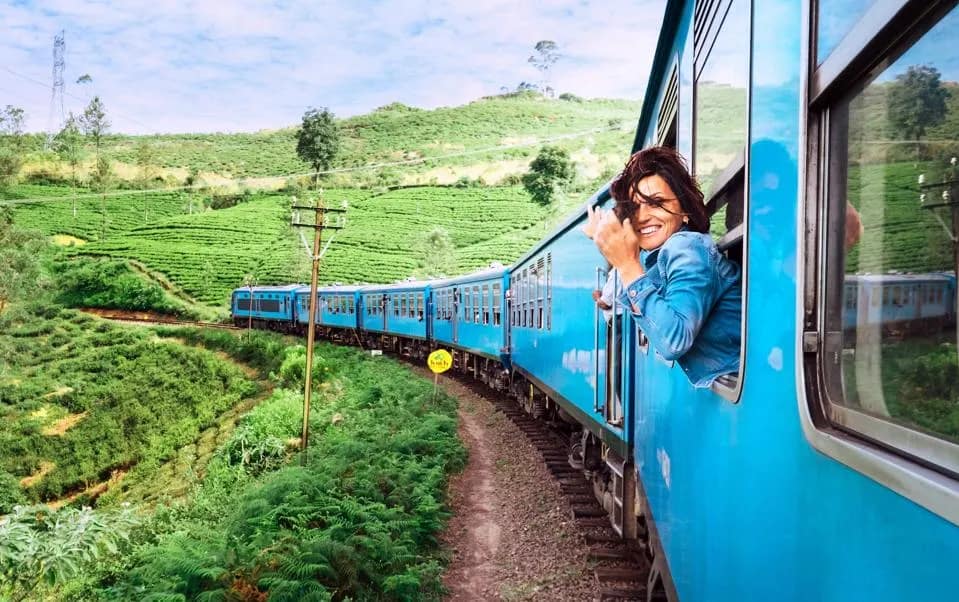
Sri Lanka rewards travellers who slow down. A dawn safari in Yala, tea picked from misty slopes near Hatton, a temple visit in Kandy and a quiet afternoon on the south coast can all belong in one beautifully designed holiday. Responsible travel Sri Lanka is about ensuring those moments leave a positive mark on the people, places and wildlife that make the island so exceptional.
For discerning travellers, this need not mean compromising on comfort. Thoughtful luxury is often more personal: a smaller hotel with a sense of place, a knowledgeable local guide, a considered route with fewer long drives, and experiences chosen for their integrity rather than their spectacle.
What responsible travel in Sri Lanka looks like
Responsible travel is not a badge earned by carrying a reusable bottle. It is a series of choices, from where you stay to how you encounter elephants, that protects the character of a destination while creating a more meaningful holiday.
In Sri Lanka, the stakes are especially tangible. The island holds extraordinary biodiversity in a compact area, alongside living religious traditions, family-run businesses and communities whose livelihoods are closely tied to tourism. Visitor spending can support conservation, skilled employment and heritage. It can also put pressure on fragile coastlines, wildlife habitats and busy cultural sites when travel is rushed or poorly managed.
A well-crafted itinerary makes room for both enjoyment and care. It favours quality over quantity, balances popular landmarks with quieter regions, and uses trusted local partners who understand when to arrive, where to go and when to step back.
Choose stays that belong to their setting
Your hotel is more than a place to sleep. It shapes where your money goes, how much resource your stay consumes and how connected you feel to the region.
Boutique properties, restored heritage homes and smaller beachfront retreats can offer a strong sense of Sri Lanka while creating local employment and sourcing from nearby growers, fishermen and artisans. This is not to say every large resort is an irresponsible choice. Some have serious programmes around water management, renewable energy, waste reduction and community partnerships. The better question is how transparently a property operates and whether its presence respects the surrounding landscape.
Ask whether the hotel employs people from nearby communities, limits single-use plastics, treats wastewater responsibly and supports local suppliers. In rural areas, also consider scale. An intimate lodge that sits lightly beside the forest may be a better fit than a development that dominates it.
There is a comfort trade-off worth acknowledging. The most remote properties can require longer transfers, and some eco-conscious stays may feel more understated than a full-scale international resort. A skilled itinerary designer can balance this: perhaps a refined city hotel in Colombo, a nature-led retreat in the Cultural Triangle and a relaxed coastal stay with excellent service.
Let your route breathe
Sri Lanka looks small on a map, but winding roads, monsoon weather and scenic stops make travel times longer than many visitors expect. Trying to see Colombo, Sigiriya, Kandy, Ella, Yala and the coast in a week can turn a holiday into a sequence of packed bags and car journeys.
Staying two or three nights in key places reduces unnecessary road time and gives spending a greater chance to filter into the local economy. It also creates space for the experiences that tend to stay with you: a home-cooked lunch, a walk through a village garden, an unhurried conversation with a tea planter or a sunrise reached without a frantic alarm.
Put wildlife welfare before the photograph
Seeing elephants, leopards, whales and blue-faced langurs is one of Sri Lanka’s great privileges. It requires restraint.
Choose safari operators and naturalists who keep a respectful distance, do not crowd an animal, avoid off-road driving and will happily move on if a sighting becomes busy. In national parks, a patient guide who explains tracks, bird calls and habitats can be far more rewarding than a driver chasing the most dramatic image.
Elephant experiences deserve particular care. Avoid rides, bathing sessions, performances and any encounter that asks an elephant to entertain, pose or be handled. Observe elephants in the wild from an appropriate distance, or visit only genuinely welfare-led sanctuaries where the animals’ needs take precedence over visitor interaction.
On the coast, select whale-watching providers that limit boat numbers around animals and avoid chasing or blocking their path. Sea turtles should be admired in the water or from the shore, never picked up for a holiday photograph. These choices preserve the very encounters you have travelled so far to enjoy.
Meet culture with curiosity and courtesy
Sri Lanka’s temples, shrines and historic cities are not backdrops. They are active places of worship and community life.
Dress modestly at religious sites, covering shoulders and knees where requested, and remove shoes and hats when appropriate. Follow your guide’s advice on photography, particularly around monks, worshippers and sacred images. Never pose with your back to a Buddha statue; this is widely considered disrespectful.
It is equally valuable to choose cultural experiences that allow local people to lead the story. A resident guide in Galle Fort, a cooking lesson hosted in a family home, a visit to a working spice garden or an introduction to Kandyan dance by its practitioners adds context that a quick stop cannot provide. Pay fairly, buy directly where possible and be wary of demonstrations that feel staged solely for passing coaches.
Respect also means accepting that not every moment is yours to access. A ceremony, a school or a private home may not be an attraction. The finest hosts know how to open doors thoughtfully, without turning daily life into a performance.
Spend in ways that strengthen local communities
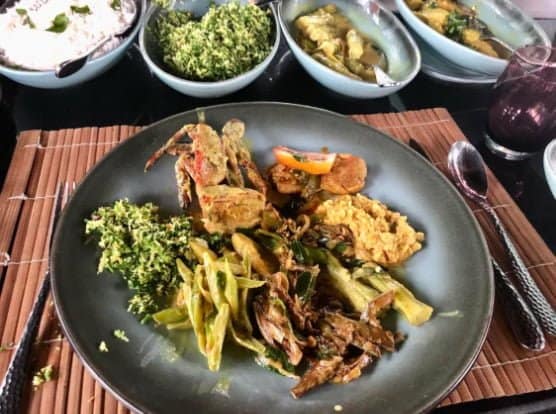
A luxury holiday can create meaningful local value when its details are chosen with care. Enjoy regional cuisine, seek out Sri Lankan crafts, and allow time for independent cafés, galleries and family-owned shops alongside your hotel dining.
When purchasing tea, handwoven textiles, spices or artwork, choose pieces you genuinely value rather than bargaining aggressively for the lowest possible price. The difference may be modest to a visitor but significant to a maker. Be cautious with products made from coral, shells, feathers or protected woods, even when they are offered openly.
Tipping is appreciated in Sri Lanka, though it should feel proportionate and personal. Your guide or holiday specialist can advise on suitable local customs, including how to recognise drivers, guides and hotel teams fairly without making every interaction transactional.
Reduce impact without diminishing the holiday
Long-haul travel has an unavoidable footprint, and there is no honest way to present a flight as impact-free. The most constructive response is to make the journey count: stay longer if you can, travel at a measured pace and choose experiences that contribute to the places you visit.
Bring a refillable water bottle where safe filtered water is available, carry a reusable tote for small purchases and decline disposable toiletries you do not need. In a warm climate, thoughtful water and energy use matters too. Reuse towels when practical, keep air conditioning moderate and switch off lights when leaving your room.
Beach clean-ups and tree-planting activities can be worthwhile when run by credible local organisations, but they are not a substitute for considered behaviour throughout the trip. The quiet habits count: taking rubbish with you, staying on marked paths, keeping noise low around wildlife and refusing plastic bags for a few items.
Plan with people who know the island
Responsible travel is easier when logistics are handled well. A private chauffeur-guide can minimise uncertainty, but the real value lies in local expertise: choosing less congested visiting hours, finding guides who are paid and trained properly, and selecting hotels that match both your standards and your values.
At Lush Sri Lankan Holidays, a bespoke route can be shaped around the experiences that matter most to you, whether that is mindful wellness in the hills, a family wildlife journey or a honeymoon with time to linger. Share what responsible travel means to you at the planning stage. Perhaps it is animal welfare, low-impact stays, local food or simply avoiding an over-scheduled itinerary.
The most memorable Sri Lankan holiday is rarely the one that ticks off the most sights. It is the one that leaves you with a deeper affection for the island – and gives something worthwhile back in return.