



Sri Lanka rewards thoughtful planning. In one unhurried journey, you can wake to mist over tea country, walk through the ancient city of Sigiriya, watch elephants cross open plains, and end the day beside the Indian Ocean. For Sri Lanka holiday planning from UK travellers, the real art lies in giving each region enough time to be felt, rather than simply seen.
This is not a destination for a hurried tick-list. The distances may look modest on a map, but roads wind through hills, wildlife encounters follow nature’s own rhythm, and the most memorable hotels invite you to linger. A beautifully planned holiday balances the island’s extraordinary variety with the comfort of knowing that every transfer, stay and experience has been considered.
Start with the right length of stay
For a first visit, 12 to 14 nights offers a wonderfully rounded introduction. It allows time for Sri Lanka’s Cultural Triangle, the hill country, a national park and the coast, without turning the holiday into a succession of check-ins. A 10-night itinerary can work well for couples seeking a focused blend of culture, safari and beach relaxation, provided the route is kept selective.
With 16 nights or more, there is space to travel at a more indulgent pace. You might add Galle Fort’s graceful colonial streets, a few restorative days in a secluded coastal retreat, or a quieter east-coast stay during the right season. Families often benefit from the longer rhythm too, particularly when younger travellers need downtime between temple visits, game drives and scenic rail journeys.
It depends on what you want most. Honeymooners may prefer fewer hotels and longer stays in intimate, characterful properties. Enthusiastic wildlife lovers could devote additional nights to Yala, Wilpattu or Gal Oya. For travellers drawn to wellbeing, the ideal itinerary may linger in the hills before easing towards the sea.
Choose the season around your chosen coast
Sri Lanka’s weather is shaped by two monsoons, which is why it can remain an appealing long-haul escape for much of the year. The key is matching your beach time to the right coastline rather than treating the island as one uniform climate zone.
From roughly December to April, the south and west coasts tend to be at their most inviting, making this a lovely period for combining Galle, Bentota, Tangalle or the beaches near Mirissa with inland touring. These months are especially popular with UK travellers seeking winter sunshine, so early planning brings the best choice of boutique hotels and villas.
From around May to September, the east coast comes into its own. Trincomalee, Pasikuda and the lesser-known stretches of the east offer clear water, softer crowds and a different perspective on island life. The hill country can be cooler and changeable at any time of year, which is part of its charm, though a light layer is sensible for early mornings and elevated evenings.
Wildlife sightings also have seasonal patterns, but no safari can be guaranteed. A considered travel designer will recommend parks and timings based on the experiences that matter to you, whether that is leopards in Yala, elephants in Minneriya or the more remote, nature-led feel of Gal Oya.
Sri Lanka holiday planning from UK: flights and arrival
Most holidays begin with an overnight flight from the UK to Colombo, often with one stop in the Gulf or another international hub. The overnight timing means many guests arrive in the morning or early afternoon, so the first day should be deliberately gentle. Rather than setting off immediately on a lengthy road journey, spend the first night near the airport or on the west coast, where you can settle in, enjoy a relaxed dinner and begin the next morning refreshed.
Sri Lanka is five and a half hours ahead of the UK in winter and four and a half hours ahead during British Summer Time. That modest time difference is kind to most travellers, but it is another reason to avoid an ambitious arrival-day schedule.
British passport holders should check the current entry and visa requirements well before departure, as these can change. Your passport should have appropriate validity for travel, and it is wise to keep a copy of your travel documents and insurance details separately from the originals. A full-service holiday arrangement can remove much of the uncertainty here, with practical guidance provided before you leave home.
Build a route that feels graceful, not rushed
The most satisfying Sri Lanka itineraries generally follow a natural geographical flow. A classic route might move from Negombo or Colombo to the Cultural Triangle, then through Kandy and the tea country, down towards a national park and onwards to the coast. This reduces backtracking and turns transfers into part of the experience, with stops at temples, spice gardens, viewpoints or local lunch addresses along the way.
The Cultural Triangle deserves at least two nights, and preferably three if you would like to explore without dawn-to-dusk pressure. Sigiriya’s rock fortress is an unforgettable early-morning ascent, while Dambulla’s cave temples, Polonnaruwa’s ancient ruins and a village experience reveal different layers of Sri Lankan heritage.
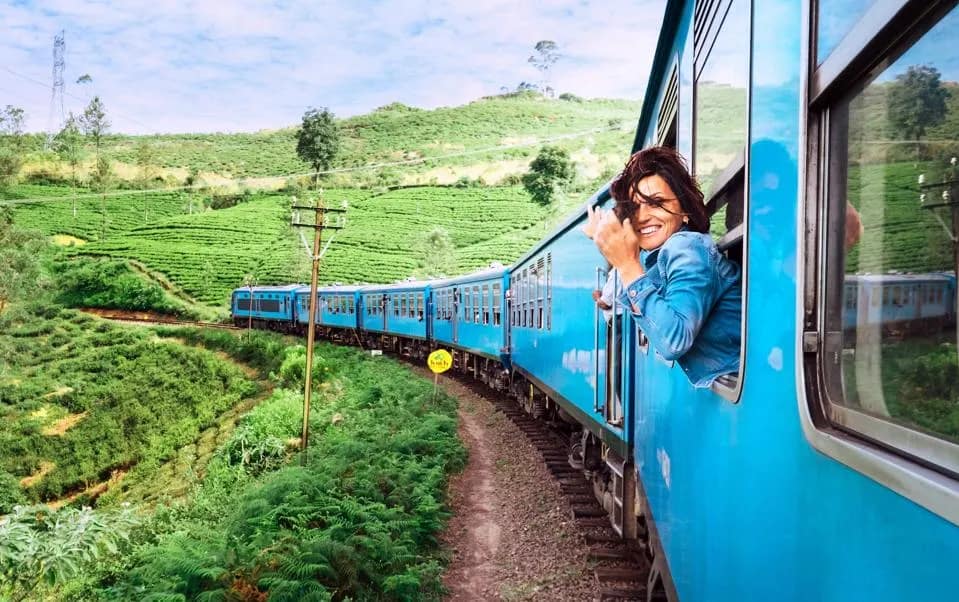
From there, Kandy offers sacred traditions, lush surroundings and a useful pause before travelling into the central highlands. The train journey between Kandy and Ella is famous for good reason: emerald tea estates, waterfalls and clouded mountain views unfold at a languid pace. Yet it is not the only way to experience the region. A private driver gives greater flexibility, especially for guests who value comfort, have limited time or would rather avoid busy services.
After the hills, a safari provides a striking shift of scene. Early game drives can be exhilarating, but they also require patience, warm layers and a willingness to rise before sunrise. Follow this with several nights by the beach, rather than treating the coast as a single overnight stop. Your final days should feel like a reward, not another itinerary item.
Select hotels for atmosphere as well as amenities
Luxury in Sri Lanka is wonderfully varied. One night might be spent in a restored planter’s bungalow surrounded by tea fields; the next in a contemporary coastal hideaway where the sound of the waves becomes part of the room. Rather than choosing solely by star rating, consider the mood you want each stop to create.
In the Cultural Triangle, a peaceful lodge with views across forest or paddy fields offers a welcome contrast to the drama of the sites. In the hill country, heritage, privacy and a fireplace may matter more than proximity to a town. Along the coast, ask whether you want a sociable resort, a design-led boutique hotel, or a private villa where days are shaped entirely around your own pace.
This is where local knowledge makes a material difference. The finest-looking property online may not be the right fit if its beach is seasonal, its access road is long, or its atmosphere is better suited to families than a romantic escape. Lush Sri Lankan Holidays curates accommodation with the wider journey in mind, so each stay supports the feeling of the one before and after it.
Let private touring create room for spontaneity
A knowledgeable chauffeur-guide is more than transport between hotels. They bring the landscape into focus, adjust the day when rain arrives or a site is busy, and know when a scenic detour is worth the time. Private touring also gives you the freedom to pause for fresh king coconut water, browse a local market or spend longer watching monkeys in the trees outside an ancient temple.
That freedom works best with a clear underlying plan. Book key experiences in advance where availability is limited, particularly safaris, special dining, sought-after hotels and rail tickets. Then leave breathing space around them. A holiday designed down to the minute can feel oddly restrictive, even in the most beautiful place.
Pack for polished practicality
Sri Lanka is relaxed, but its landscapes call for a little preparation. Lightweight, breathable clothing is ideal for the coast and cultural sites, while modest dress is required for temples: shoulders and knees should be covered, and shoes removed where requested. Bring comfortable walking shoes for ruins and uneven paths, a smarter outfit for a special dinner, and a light waterproof layer for the highlands.
Sun protection, insect repellent and a reusable water bottle are useful throughout the journey. For a safari, muted colours are preferable, and binoculars can enrich the experience. Most premium hotels can arrange laundry, so there is no need to overpack – leaving room for tea, textiles and the small treasures that tend to find their way home.
The most memorable Sri Lanka holiday is rarely the one that fits in the most places. It is the one with time for a quiet cup of Ceylon tea after rain, an unplanned conversation with a guide, and a final sunset that makes you wish you had booked one more night.