




The first view of Sri Lanka should be the palm-fringed coastline from your aircraft window, not an immigration counter complication after a long-haul flight. Arranging your Sri Lanka eTA early is one of the small but essential details that protects the relaxed beginning of a beautifully planned island holiday.
For most international leisure travellers, permission to enter Sri Lanka must be organised before departure. The process is usually straightforward, but entry rules, fees, eligible nationalities and visa terminology can change. Treat the eTA as a priority when your flights are confirmed, rather than leaving it until the final days before you travel.
What is a Sri Lanka eTA?
An eTA is an electronic travel authorisation used by Sri Lanka for certain short-stay visitors, including many holidaymakers. It is linked digitally to your passport and, once approved, allows you to travel to Sri Lanka and present yourself for entry at the border.
The phrase is sometimes used interchangeably with an electronic visa, which can make the research feel less clear than it should. What matters is the permission required for your passport, the purpose of your visit and the length of stay you intend. A tourist travelling for a two-week journey through the Cultural Triangle, tea country and the south coast may have different requirements from a guest stopping briefly in Colombo, visiting relatives or travelling for business.
Do not assume that a previous approval, a friend’s experience or general travel advice applies to your own journey. Immigration policies can be revised with little notice. Always confirm the current entry process and conditions through Sri Lanka’s official immigration channels before applying and again shortly before departure.
When should you apply?
For a considered, multi-stop holiday, it is sensible to start reviewing entry requirements as soon as you reserve your itinerary. Apply once your passport details and core travel dates are settled, allowing time to correct an error or respond to any request for further information.
Avoid applying on the way to the airport or relying on a same-day approval. Even where processing is often prompt, travel authorisations are not something to build into a tight schedule. A little breathing room is especially valuable when you are coordinating international flights, a private airport welcome, a connecting seaplane to the Maldives or a special occasion stay.
Your authorisation may have an arrival window and a separate permitted duration of stay. These are not the same thing. Read the approval carefully and ensure the dates suit your actual plans, particularly if you are arriving later than expected or combining Sri Lanka with another destination.
Check your passport before anything else
A passport should usually be valid for a meaningful period beyond your arrival date, and it must be in good condition with sufficient space for entry stamps where required. The exact validity rule should be verified for your nationality before you make final travel commitments.
Use the passport you will carry to Sri Lanka when completing the application. A renewed or replacement passport can invalidate an approval linked to the old document, even when the name and personal details remain the same. For couples and families, check every traveller individually. One overlooked expiry date can affect an otherwise faultless departure day.
Preparing your eTA application
The application is designed to capture a limited set of key information, but accuracy matters. Your name, passport number, date of birth and nationality should match the passport character for character. Take particular care with middle names, double surnames and letters that are easily confused with numbers.
You may also need to provide contact details, travel plans and an address for your first night in Sri Lanka. For a tailor-made itinerary, this would normally be your arrival hotel, whether that is a heritage retreat in Colombo, a tranquil coastal villa near Galle or a hill-country hideaway above the tea estates.
Before beginning, have your passport and itinerary to hand. Keep a copy of the approval with your travel documents, saved both on your phone and in a printed format. Although border systems may be able to see an electronic record, a copy offers welcome reassurance if a device has no signal or runs out of charge.
Be cautious with unofficial sites that resemble government portals and may add substantial service charges. Read the payment screen carefully, retain the confirmation reference and use only verified official information when checking the status of an application.
What immigration may ask for on arrival
An approved Sri Lanka eTA is a key travel document, but it is not the only consideration at the border. Immigration officers may ask for evidence that your visit is genuinely for tourism and that you can support yourself during the stay. A return or onward ticket, accommodation details and a clear outline of your holiday are sensible to have available.
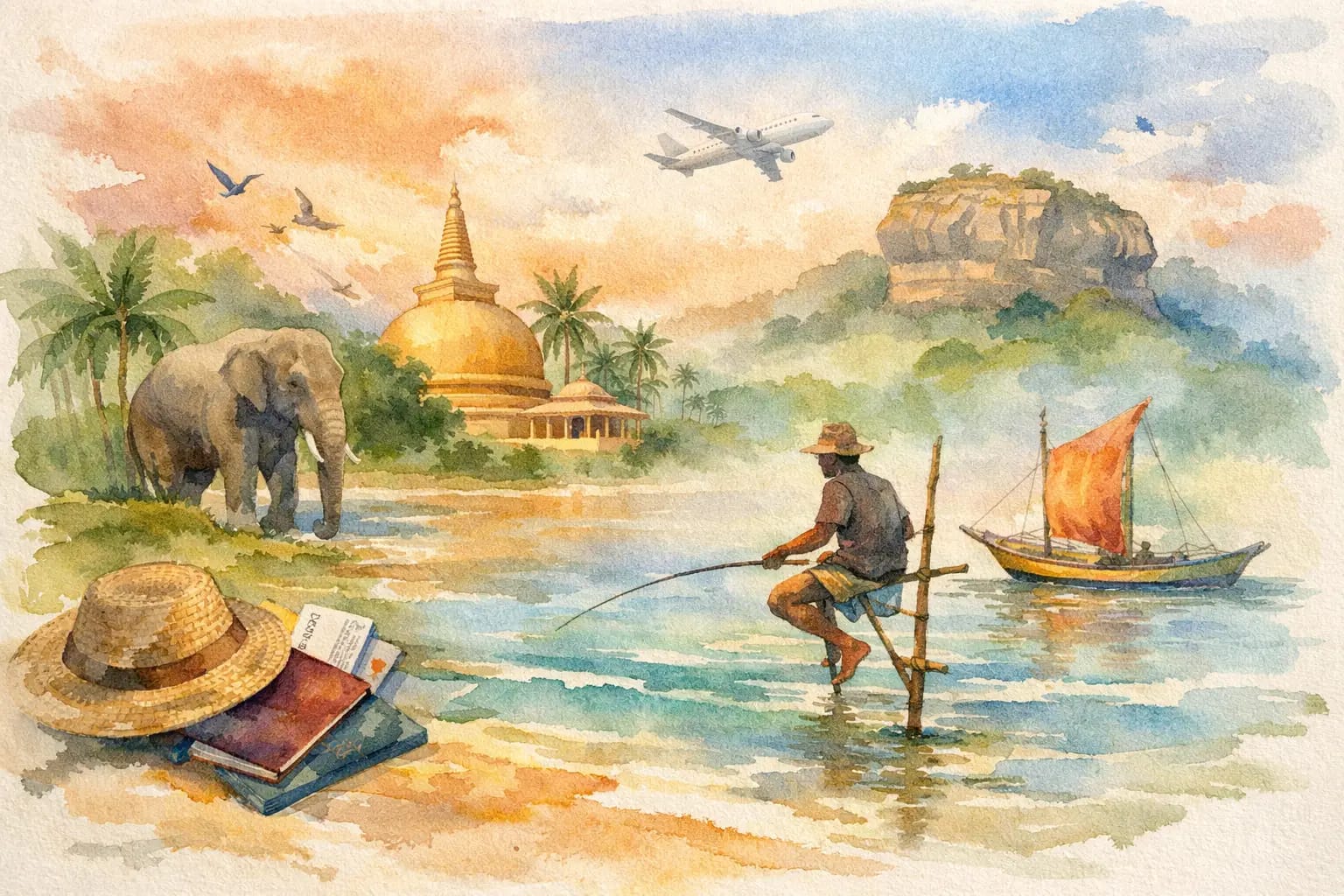
For a curated trip, this is reassuringly simple. Your confirmation documents can show your accommodation, private transfers and planned route, from Sigiriya’s ancient rock fortress to a safari in Yala or Wilpattu, followed by time beside the Indian Ocean. It demonstrates that your journey has been thoughtfully arranged and that you know where you are going next.
Travellers visiting friends, staying in private homes or planning a longer period in one place should take particular care to understand the rules that apply to them. Likewise, if you are travelling for paid work, volunteering, journalism, filming, study or any activity beyond a standard holiday, a tourist authorisation may not be appropriate. The correct visa category matters more than convenience.
Children, families and group travel
Family holidays feel most effortless when the practical tasks are handled well before the packing begins. Children may need their own passports and individual travel authorisations, even when they are included on the same itinerary as their parents. Do not presume a parent’s eTA extends automatically to a child.
Where a child is travelling with one parent, grandparents or another adult, review any consent documentation that may be required by airlines, your country of departure or Sri Lankan authorities. Requirements vary, but having the right papers can prevent difficult questions at check-in.
For group bookings, each traveller should receive their own approval and check it against their passport. A shared spreadsheet or secure travel folder is useful for ensuring that names, expiry dates and references are all correct without turning the pre-holiday period into an administrative exercise.
Designing the rest of your journey around arrival
The eTA is an administrative detail, yet it shapes the start of your holiday. Once entry arrangements are in place, you can arrive ready to enjoy the experience that matters: a warm private welcome, a refreshing stop after your flight and the easy transition from airport to hotel.
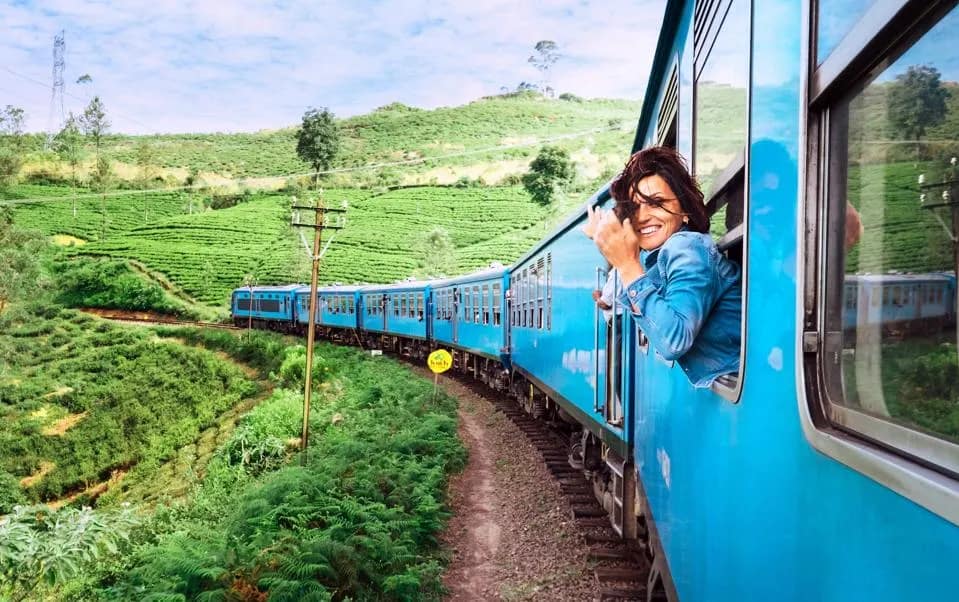
Sri Lanka rewards unhurried travel. Rather than racing from Colombo to Kandy, Ella, the national parks and the coast in a few days, allow each region its own rhythm. Spend time with a local guide in the ancient cities, take the train through the highlands, pause for a spa ritual among the hills, then settle into a beachfront retreat where the only decision is whether to swim before breakfast or after it.
At Lush Sri Lankan Holidays, we see travel documentation as part of the wider care behind a bespoke retreat. It sits alongside realistic journey times, handpicked accommodation and thoughtful support, so the practicalities stay discreetly in the background.
Before you set off, review your approved authorisation, passport, flight details, onward travel and first-night accommodation one final time. With those essentials quietly in order, Sri Lanka can greet you as it should: with cinnamon-scented air, generous hospitality and a holiday that begins the moment you arrive.