


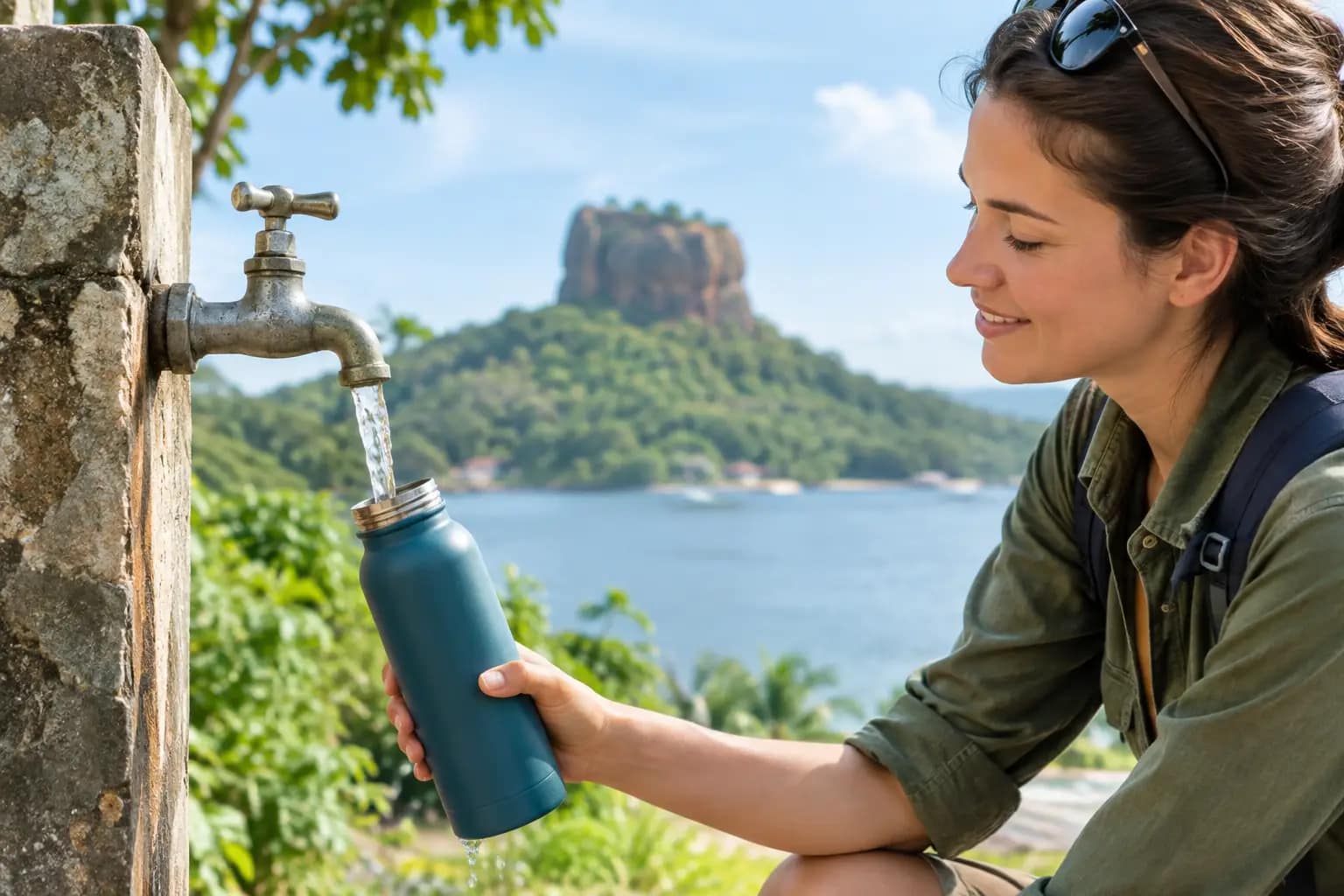
The first chilled drink after a long flight, a cup of Ceylon tea in the hills, water poured beside dinner overlooking the Indian Ocean – these small moments should feel effortless. Yet many guests quite sensibly ask, is tap water safe in Sri Lanka? For most international travellers, the simple answer is: do not drink water directly from the tap. Choose sealed bottled water or reliably filtered, purified water instead.
That guidance need not make your holiday feel restrictive. Sri Lanka is wonderfully welcoming, and thoughtful hotels, experienced guides and well-planned journeys make staying hydrated both easy and comfortable. The key is knowing where extra care is worthwhile, particularly when travelling between cities, countryside retreats and beachside stays.
Is tap water safe in Sri Lanka?
Sri Lanka’s municipal water supply is treated in many towns and cities, and residents may use it for everyday needs. However, treatment standards, pipe conditions, storage tanks and local water sources can vary considerably from place to place. Water that is acceptable for locals is not always the best choice for visitors whose systems are unaccustomed to it.
For this reason, visitors should avoid drinking tap water, including in Colombo and established resort areas. This is less a judgement on the destination than a sensible travel precaution. A brief stomach upset can interrupt a safari morning in Yala, a train journey through tea country or an unhurried few days by the coast.
The same rule applies when the water looks clear or comes from a smart-looking bathroom tap. Clarity is not a reliable indication of microbiological safety. At a premium hotel, purified water may be available in your room or served at meals, but it is still worth asking whether it is filtered for drinking rather than assuming.
What to drink during your holiday
Sealed bottled water is widely available in hotels, restaurants, shops and roadside stops. Before opening it, check that the cap’s safety ring is intact. Reputable hotels and restaurants may also offer filtered water from a dispenser or refill station. This can be an excellent choice, provided the property confirms its filtration and handling practices.
Many luxury properties are reducing single-use plastic and will provide refillable glass bottles in rooms. That is a welcome move, especially on a longer itinerary, but ask your host or guide whether the water has been purified before filling your own bottle. A well-organised private tour should make this detail simple: chilled safe drinking water in the vehicle, clear advice at each hotel, and no need to hunt for supplies between experiences.
Fresh coconut water is another lovely option in warm weather when purchased from a freshly opened king coconut. It is one of the pleasures of Sri Lanka’s roadsides and beaches, though it should complement rather than entirely replace plain water during hot, active days.
Tea, coffee and cooked drinks
A properly boiled cup of tea or coffee is generally a reassuring choice. Sri Lanka’s tea is, of course, part of the experience, whether enjoyed on a misty estate veranda or after a visit to a colonial-era hill town. Hot drinks prepared with boiling water are typically lower risk than cold drinks made with unknown water.
That said, allow hot drinks to be freshly prepared and served hot. Lukewarm beverages that have been sitting out are best avoided, particularly at self-service breakfast stations where temperatures can be harder to judge.
Ice, juices and dining with confidence
Ice is where advice becomes more nuanced. At quality hotels, established restaurants and carefully selected venues, ice is commonly made from filtered or treated water. In those settings, it is usually reasonable to enjoy a chilled juice, cocktail or iced coffee. If you are dining at a small local café or buying a drink from an unfamiliar roadside stall, choose it without ice if you cannot confirm the water source.
Fresh juices can be irresistible in Sri Lanka, from mango and pineapple to lime and passionfruit. Order them at reputable places where fruit is prepared to order, equipment looks clean and the drink is made with purified water or without added water. The same principle applies to smoothies.
Food hygiene is connected to water safety, but it should not discourage you from Sri Lanka’s exceptional cuisine. Hot, freshly cooked hoppers, fragrant curries, grilled seafood and kottu prepared in busy, well-regarded kitchens are all part of a richly rewarding holiday. Prioritise places with good turnover, eat food while it is hot, and be more cautious with salads or cut fruit that may have been washed in tap water.
Brushing teeth, showering and swimming
Most travellers can use tap water to brush their teeth, provided they spit it out rather than swallow it. Those with particularly sensitive stomachs, a weakened immune system or a history of travel-related illness may prefer bottled or filtered water for brushing too. It is an easy adjustment and can offer extra peace of mind.
Showering and washing hands with tap water are generally fine. Keep your mouth closed in the shower, especially if you are prone to sensitivity, and use hand sanitiser when soap and clean running water are not readily available during sightseeing.
Swimming pools at reputable hotels are treated and maintained, while the sea is a glorious part of a coastal escape. Avoid swallowing pool or seawater where possible. After heavy rain, be cautious around floodwater and smaller inland waterways, which can carry contaminants.
Extra care for families and sensitive travellers
Parents travelling with babies or young children should be particularly deliberate. Use bottled or properly purified water for drinking and for preparing infant formula. Check with your hotel in advance if you require a kettle, sterilising arrangements or reliable access to suitable drinking water in your room.
Pregnant travellers, older guests and anyone with a medical condition affecting immunity should take personalised advice from a qualified health professional before travelling. It is also wise to bring any usual stomach remedies and oral rehydration sachets from home, especially when visiting more remote areas where your preferred pharmacy brands may not be close at hand.
On a full day of exploring, dehydration can be as troublesome as unsafe water. Sri Lanka’s low-country heat and humidity can feel stronger than expected, while a safari, temple visit or climb at Sigiriya involves more exertion than many guests anticipate. Sip water regularly, wear a hat, and build pauses into the day rather than waiting until you feel thirsty.
How thoughtful planning makes water safety effortless
A beautifully paced itinerary removes many avoidable uncertainties. The standard of accommodation matters, but so does the detail around it: a driver who carries safe water, a guide who knows trusted lunch stops, and a travel designer who selects properties with dependable service standards.
When choosing a hotel, it is perfectly appropriate to ask whether drinking water is filtered, whether bottles are supplied daily, and whether ice is made from treated water. The best hosts will answer clearly and without hesitation. If you are moving from the Cultural Triangle to Kandy, the tea country and the south coast, arrange enough water for longer transfers and keep a refillable bottle within easy reach.
At Lush Sri Lankan Holidays, this kind of practical reassurance belongs alongside the more memorable details – the suite with a view, the private wildlife encounter, the table reserved for sunset. Luxury is not only about where you stay; it is also the confidence that each day has been considered with care.
If you develop an upset stomach
Even with sensible precautions, travel can occasionally unsettle the stomach. Rest, drink safe fluids in small, frequent sips and use oral rehydration salts if needed. Avoid alcohol and very rich foods until you feel better. Seek prompt medical advice if symptoms are severe, persistent, include a high fever or blood, or if dehydration becomes a concern.
There is no need to let a sensible habit overshadow the pleasure of the journey. Choose purified water, ask a quick question when you are unsure, and let Sri Lanka’s warm hospitality take care of the rest. With those small decisions made, you are free to savour the tea gardens, wild coastlines and candlelit dinners that make the island feel so unforgettable.