




Sri Lanka’s great cultural treasures are not confined to museum cases or distant viewpoints. They rise from jungle-covered rock, sit quietly beneath sacred Bodhi trees and shape the rituals of everyday life. This guide to Sri Lanka heritage holidays is designed for travellers who want to experience those stories in comfort, with time to absorb each place rather than simply tick it off.
A well-crafted heritage journey can take you from Colombo’s colonial-era streets to the ancient capitals of the Cultural Triangle, through the misty highlands and onwards to the old fortifications of Galle. The distances are manageable, but the variety is remarkable. The secret is not trying to see everything at once. It is choosing a considered route, exceptional places to stay and guides who bring centuries of history into focus.
What makes Sri Lanka ideal for a heritage holiday?
Sri Lanka carries more than 2,000 years of Buddhist, Hindu, colonial and royal history within a compact island. Its UNESCO World Heritage Sites are not isolated monuments. They form part of a wider landscape of temple bells, village paddy fields, spice gardens, railway towns and working tea estates.
For couples, the appeal lies in the romance of it all: sunrise from Sigiriya Rock, a candlelit dinner in a restored planter’s bungalow, or an unhurried walk along Galle Fort’s ramparts at dusk. Families often find the journey equally rewarding, particularly when ancient sites are balanced with wildlife, pool time and hands-on cultural experiences. Solo travellers may value the ease and reassurance of a private driver-guide while retaining the freedom to set the pace.
The trade-off is heat and scale. Some ancient sites require early starts and a little walking, while Sri Lanka’s roads can make a modest distance take longer than expected. A luxury heritage holiday should allow breathing room between major visits, not turn every day into a transfer.
The essential heritage route through Sri Lanka
Colombo: a graceful first chapter
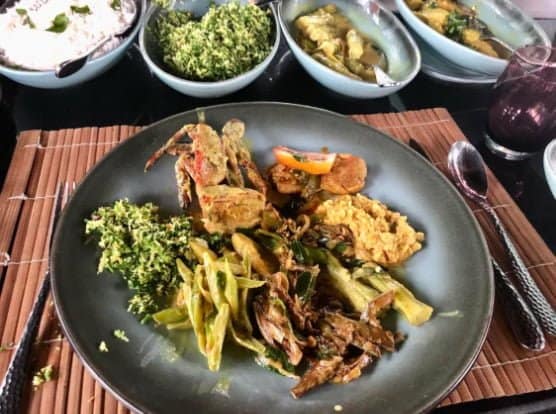
Most international journeys begin in Colombo, and a night or two here creates a gentle arrival before heading inland. The city reveals layers of Portuguese, Dutch and British influence alongside its energetic modern life. Explore the former colonial quarter around Fort, browse the elegant old buildings and galleries, or enjoy a private introduction to Sri Lankan cuisine before dinner at a refined hotel.
Colombo is not the island’s headline heritage destination, but it provides useful context. It is also an excellent place to recover from a long-haul flight before your journey becomes more immersive.
The Cultural Triangle: Sri Lanka’s ancient heart
The Cultural Triangle is the centrepiece of most heritage-focused itineraries. Based around Sigiriya, Dambulla, Anuradhapura and Polonnaruwa, it rewards a stay of at least three nights. A well-positioned boutique retreat offers the advantage of returning to calm, shaded surroundings after mornings spent among ancient ruins.
Sigiriya is the most dramatic of the island’s historic sites. The fifth-century rock fortress rises abruptly above the plains, with landscaped water gardens at its base and the remains of a royal citadel above. Climbing it is memorable, though not essential for everyone. If heights or steep steps are not appealing, the views from nearby Pidurangala and the gardens below still offer a powerful sense of place.
Dambulla’s cave temples provide a quieter counterpoint. Inside the rock are richly painted chambers filled with Buddha statues, their colours and devotional atmosphere remarkably well preserved. Dress respectfully, with shoulders and knees covered, and expect to remove shoes before entering sacred spaces.
Anuradhapura, one of the world’s oldest continuously inhabited cities, is best experienced with a knowledgeable guide. Its vast dagobas, monasteries and sacred Sri Maha Bodhi tree can feel overwhelming without the stories that connect them. Polonnaruwa, a later medieval capital, is more compact and particularly atmospheric in the early morning, when stone palaces and colossal Buddha figures sit beneath a softer light.
Kandy: ceremony, craftsmanship and hill-country air
From the dry-zone plains, the road climbs towards Kandy, Sri Lanka’s last royal capital. Set around a lake and encircled by green hills, it has a more intimate rhythm than the ancient cities. The Temple of the Sacred Tooth Relic remains one of the country’s most significant places of worship, especially during evening puja, when drumming and offerings fill the temple complex.
Kandy deserves more than a brief stop. Spend time at the Royal Botanical Gardens in Peradeniya, visit a traditional craft workshop, or arrange a private cooking experience that introduces the spices and techniques behind Sri Lankan food. A cultural performance can be enjoyable, although it is best viewed as a lively introduction rather than an entirely authentic village tradition.
Tea country: heritage with a gentler tempo
The central highlands offer a different kind of heritage: the legacy of Ceylon tea. Colonial bungalows, working estates and the railway line that threads through the hills all tell the story of this region. Nuwara Eliya has its own nostalgic charm, with cool air, manicured gardens and architecture shaped by the British period.
For many travellers, a stay in a heritage planter’s bungalow is one of the most memorable parts of the holiday. Choose a property with generous views, attentive service and an excellent chef, then allow a full day to slow down. Visit a tea estate with a resident planter, take a gentle walk through the fields, or simply settle on the veranda with a cup of tea as the afternoon mist arrives.
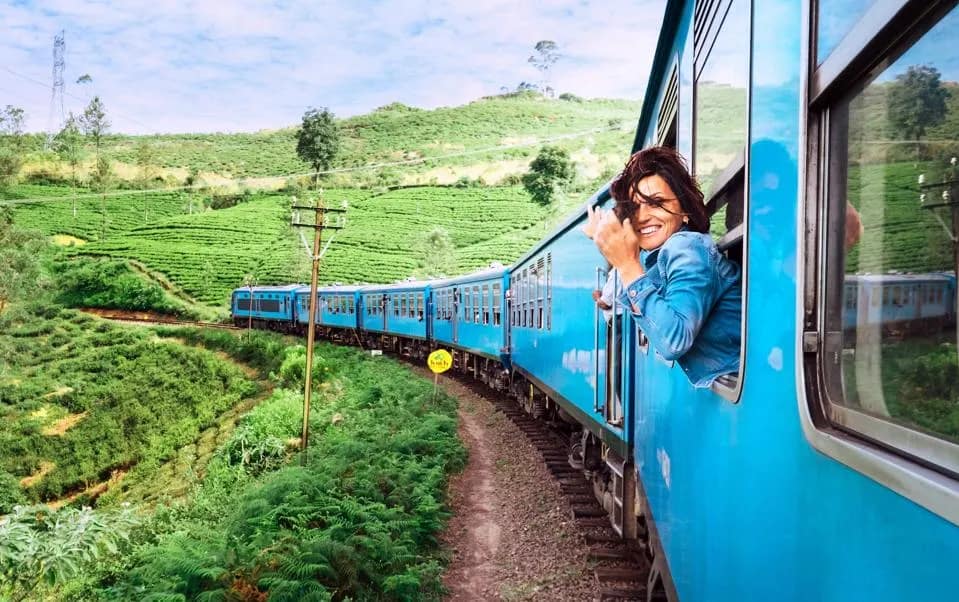
The scenic train journey through the highlands is deservedly popular, but it depends on your priorities. It is beautiful, yet stations can be busy and first-class carriages do not always provide the privacy expected on a luxury trip. A private road journey with carefully chosen stops may offer greater comfort, particularly for shorter itineraries.
Galle Fort: a luminous coastal finale
Galle Fort brings the heritage route to the Indian Ocean. Built by the Portuguese and strengthened by the Dutch, its coral-walled lanes now hold atmospheric boutiques, galleries, churches and beautifully restored residences. It is a place for wandering rather than rushing.
Stay within or close to the fort for two or three nights, allowing time for a guided walk that moves beyond the obvious landmarks. Hear about the trading routes that connected this port to Europe, Arabia and Asia, then enjoy a long lunch or a sunset stroll along the ramparts. From here, a few relaxed days on the southern coast can be added without losing the sense of a journey thoughtfully composed.
When to plan a Sri Lanka heritage holiday
Sri Lanka’s weather is shaped by two monsoons, so the best timing depends on the route. For the Cultural Triangle, Kandy, tea country and the south-west coast, December to April is often especially appealing. The east coast is generally at its best from around May to September.
Heritage sites are rewarding year-round, but an early start makes a real difference at Sigiriya, Polonnaruwa and Anuradhapura. You will avoid the strongest midday heat and enjoy a more peaceful atmosphere. Festival dates can add extraordinary colour, particularly Kandy Esala Perahera in July or August, but demand for the finest accommodation is high and planning well ahead is wise.
How to make the experience feel genuinely personal
The difference between a good cultural itinerary and an exceptional one is usually found in the details. Private guiding means you can linger at a temple, adjust the pace after a warm morning, or follow an interest in architecture, Buddhism, food or photography. A dedicated chauffeur-guide also removes the strain of navigating changing road conditions and luggage transfers.
Accommodation deserves equal care. A characterful heritage hotel or intimate boutique retreat can continue the story of the day, while a larger resort may be more suitable for families seeking space and facilities. There is no single right answer. The best choice depends on whether you value historic atmosphere, total privacy, family-friendly flexibility or a beach extension after the cultural route.
Pack light, breathable clothing, a sun hat and comfortable shoes with grip. Bring a smart, modest outfit for temples, and remember that socks can be useful on hot stone floors. Above all, leave room in the itinerary for stillness. Sri Lanka’s heritage is felt as much in a monk’s morning chant or a cup of estate-grown tea as it is in its most famous monuments.
At Lush Sri Lankan Holidays, a heritage escape can be shaped around the places that speak most strongly to you, with handpicked stays and considered journeys between them. The finest itinerary leaves you with more than photographs: it gives you the rare feeling of having been welcomed into the island’s living story.