




The road from Kandy to the Tea Country can turn a two-hour map estimate into an unhurried, scenery-filled afternoon. A hidden viewpoint, a temple ceremony, a roadside king coconut and the right arrival time at your hotel can transform the journey itself. That is the real question behind do you need a guide in Sri Lanka: not whether you can get around alone, but how you want your holiday to feel while you do.
Sri Lanka is wonderfully rewarding for independent travellers, yet it is also a country of changing landscapes, winding roads and experiences that are often better with local context. For a first visit, a multi-stop itinerary or a special occasion, a private guide can replace small daily decisions with space to enjoy what you came for.
Do you need a guide in Sri Lanka?
For many visitors, the answer is yes, particularly if your time is precious or you are travelling beyond one beach resort. Sri Lanka may look compact on a map, but distances are deceptive. Traffic, mountain roads, wildlife crossings and worthwhile stops all affect journey times. A knowledgeable chauffeur-guide helps each transfer become part of the experience rather than time lost between hotels.
That said, a guide is not essential for every holiday. If you are staying in Colombo for a night or two, relaxing at one coastal hotel, or are an experienced traveller happy to arrange trains, drivers and activities as you go, independent travel can work beautifully. English is widely spoken in hospitality settings, and Sri Lankans are famously warm and helpful.
The distinction matters. You do not need a guide because Sri Lanka is difficult or unwelcoming. You may choose one because thoughtful guidance brings greater comfort, richer encounters and a more relaxed pace.
What a private guide adds to a luxury holiday
A good guide offers far more than directions. They read the rhythm of the day, know when to leave before traffic builds, and can adjust plans when a rain shower sweeps across the Cultural Triangle or an elephant sighting calls for patience in a national park.
Context that brings places to life
The ancient cities of Sigiriya, Polonnaruwa and Anuradhapura are extraordinary on their own. Yet their layers of history become much more vivid when someone explains the engineering behind an ancient reservoir, the symbolism in a shrine or the stories woven into a fresco. The same is true of Galle Fort, Kandy’s Temple of the Sacred Tooth Relic and the tea estates around Hatton and Ella.
There is also a practical courtesy to consider at religious sites. A guide can advise on appropriate dress, photography etiquette and the best time to visit, helping you feel at ease while respecting local traditions.
A calmer way to travel between regions
A beautifully designed Sri Lanka holiday might include the Cultural Triangle, Kandy, the Tea Country, Yala or Udawalawe, and the south coast. That variety is precisely its appeal, but it requires careful routing.
With a private chauffeur-guide, luggage is looked after, timings are considered, and your itinerary can allow for the pleasures that rarely appear in a standard route plan: a garden lunch, a quiet temple, a craft workshop or a pause beside a misty tea valley. For honeymooners, families and travellers celebrating a milestone, that sense of being quietly looked after is often worth more than ticking off another attraction.
Access to experiences that feel personal
The most memorable moments are not always the headline sights. They may be a private cooking experience with a local family, a naturalist who notices movement in the canopy before anyone else, or a guide who knows which small gallery or café suits your interests.
A well-connected travel designer can pair you with specialists where they add real value. This is especially useful for wildlife safaris, birdwatching, walking, Ayurveda and cultural experiences. It avoids the one-size-fits-all approach while preserving the freedom to linger where you feel most at home.
When independent travel is the better choice
There is a particular pleasure in taking Sri Lanka at your own pace. If your ideal escape is a few uninterrupted days on the south coast, with beach walks, spa treatments and leisurely meals at your boutique hotel, a full-time guide may be unnecessary. You can arrange a car for selected outings or rely on your hotel for local recommendations.
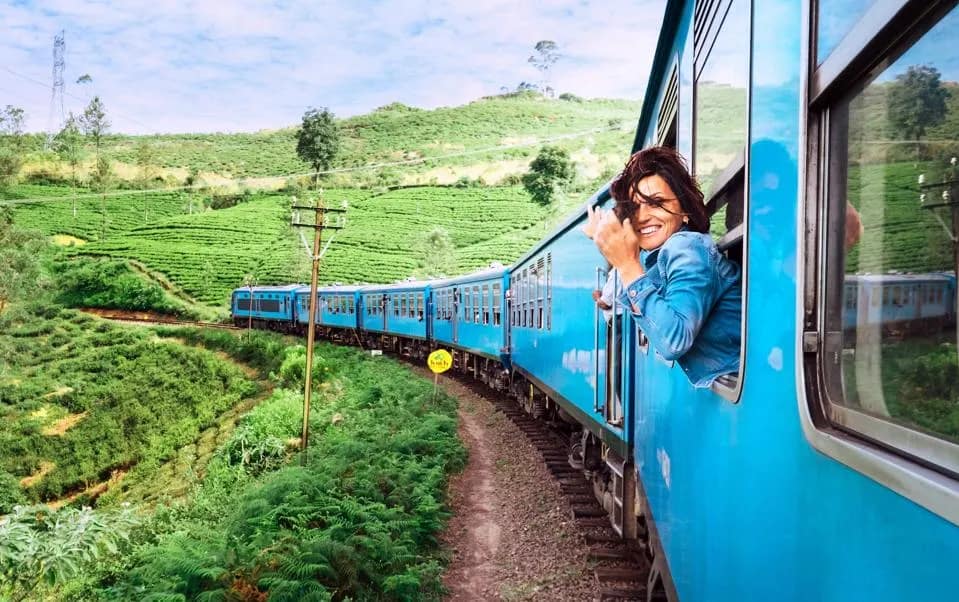
The same applies to travellers who enjoy spontaneous train journeys or have already visited the island. The Kandy to Ella train route, for example, can be a delightful independent experience when you are comfortable with a little unpredictability and do not mind a busier carriage.
Independent travel works best when the itinerary is simple. The more hotels, regions and fixed experiences you add, the more administration sits behind the scenes. At that point, the apparent freedom of arranging everything yourself can become a holiday spent checking messages, confirming pick-ups and recalculating travel times.
Guide, chauffeur-guide or local specialist?
These terms are often used interchangeably, but they describe different levels of support.
A chauffeur-guide is ideal for most private touring holidays. They drive you between destinations, manage the practical details of the route and share insight throughout the journey. Their knowledge is particularly valuable when your trip covers several regions.
A site guide is often a specialist arranged at a major attraction, such as Sigiriya or Galle Fort. They can provide a deeper interpretation of that one place, while your chauffeur-guide manages the wider day.
A naturalist is the right choice for a safari, whale-watching trip or focused nature experience. Wildlife encounters are never guaranteed, but a skilled naturalist improves your understanding of animal behaviour and helps ensure the experience is conducted with care.
For a refined itinerary, the best arrangement is often a combination: a dedicated chauffeur-guide for the touring portion, carefully selected specialists where expertise counts, and private time at your beach or wellness retreat.
How to decide what is right for your trip
Start with the shape of your holiday rather than a fixed assumption that a guide is either essential or excessive. Consider how many places you plan to visit, whether this is your first time in Sri Lanka, and how much you value historical or cultural interpretation.
A guide is particularly worthwhile if you are travelling with children, have limited time, are combining Sri Lanka with the Maldives, or want to balance heritage, wildlife and relaxation without feeling rushed. It can also make a meaningful difference if you prefer not to navigate unfamiliar roads after a long-haul flight.
You may prefer a lighter-touch arrangement if your holiday centres on one or two hotels and you value privacy above conversation. The most thoughtful journeys leave room for both: informed guidance when it enhances the day, and unstructured time when the view, the pool or the beach is all you need.
A note on comfort, safety and expectations
Choose a guide through a trusted operator rather than treating transport as an afterthought. The lowest-priced option is not always the best value when it affects your comfort for several hours each day. Look for clear itineraries, well-maintained vehicles, professional communication and a genuine understanding of your interests.
It is also worth discussing the style of guiding you prefer. Some guests enjoy lively stories and regular recommendations; others appreciate a discreet presence with information offered at the right moments. A considered holiday planner will match the service to you, not ask you to adapt to a preset schedule.
Sri Lanka rewards curiosity, but it does not demand that you manage every detail yourself. Whether you travel with a private guide throughout or reserve guiding for selected days, the finest choice is the one that lets you be fully present: watching the light change over the hills, listening for elephants in the distance, and allowing the island to unfold at its own generous pace.